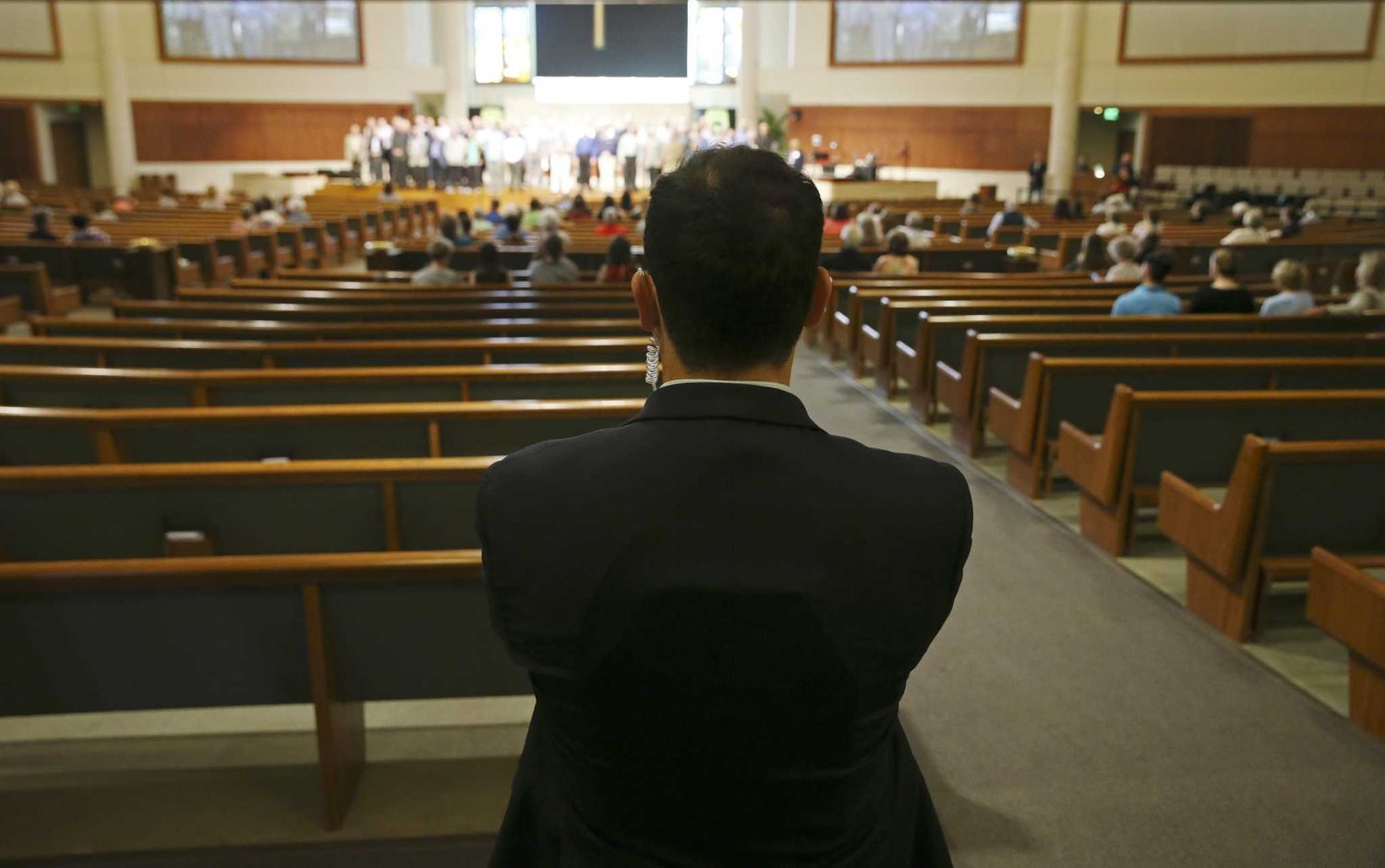
Churches are places of refuge—welcoming environments where people gather for worship, fellowship, and community. They are not meant to feel like maximum-security facilities, nor should they. Yet in today's world, balancing hospitality with safety has become a responsibility that every faith community must embrace.
The key is not to create a fortress, but to foster a culture of safety—one in which every member of the congregation plays a role in keeping the community secure.
Safety is Everyone's Responsibility
While many churches now maintain security teams or volunteers tasked with overseeing safety, true protection comes when the entire congregation takes part. Simple principles, consistently applied, can make a tremendous difference.
- See Something, Say Something. This goes beyond looking for suspicious individuals. It means reporting safety hazards, such as a spill in a hallway, a burned-out light in the parking lot, or a broken refrigerator that stores food for ministry events. Small issues left unaddressed can become big problems.
- Everyone's a Safety Officer. On the gun range, we say that every shooter is a safety officer—if someone spots something unsafe, they must speak up immediately. The same principle applies in church: when all eyes are tuned to safety, hazards are identified faster, and risks are reduced.
Respecting Policies and Procedures
Rules exist not to burden, but to protect. Every church should have policies that—while sometimes inconvenient—are in place for very good reasons.
- Locked Doors. A door marked "locked" is locked for a purpose. Respecting these boundaries ensures better control over who enters and exits the facility.
- Children's Ministry Rules. From secure check-in procedures to restricted access in children's areas, these safeguards exist to protect the most vulnerable. Parents and volunteers must understand the importance of following these policies, even when it slows things down.
- Controlled Entry Points. Limiting access to one or two monitored entrances may feel inconvenient, but it dramatically improves oversight and safety.
Building a Culture of Safety
Creating a culture of safety in a church is not about suspicion or fear—it's about awareness, stewardship, and care. When members understand that safety is part of protecting the flock, they see it as an extension of ministry.
- Encourage open communication when hazards or concerns are spotted.
- Reinforce that safety is a shared responsibility, not just the job of a select few.
- Remind the congregation that every rule—from parking lot lighting to children's ministry policies—is an expression of care and diligence.
Final Thoughts
A culture of safety is not built overnight, but with consistent effort, it becomes part of the fabric of church life. By teaching that everyone has a role—whether it's reporting a hazard, following a procedure, or supporting security volunteers—churches can maintain an atmosphere that is both inviting and secure.
At Noble Reach Consulting, we are passionate about helping faith communities create safe spaces without compromising their welcoming spirit. Together, we can ensure that churches remain sanctuaries of peace—places where people can worship with both freedom and confidence.